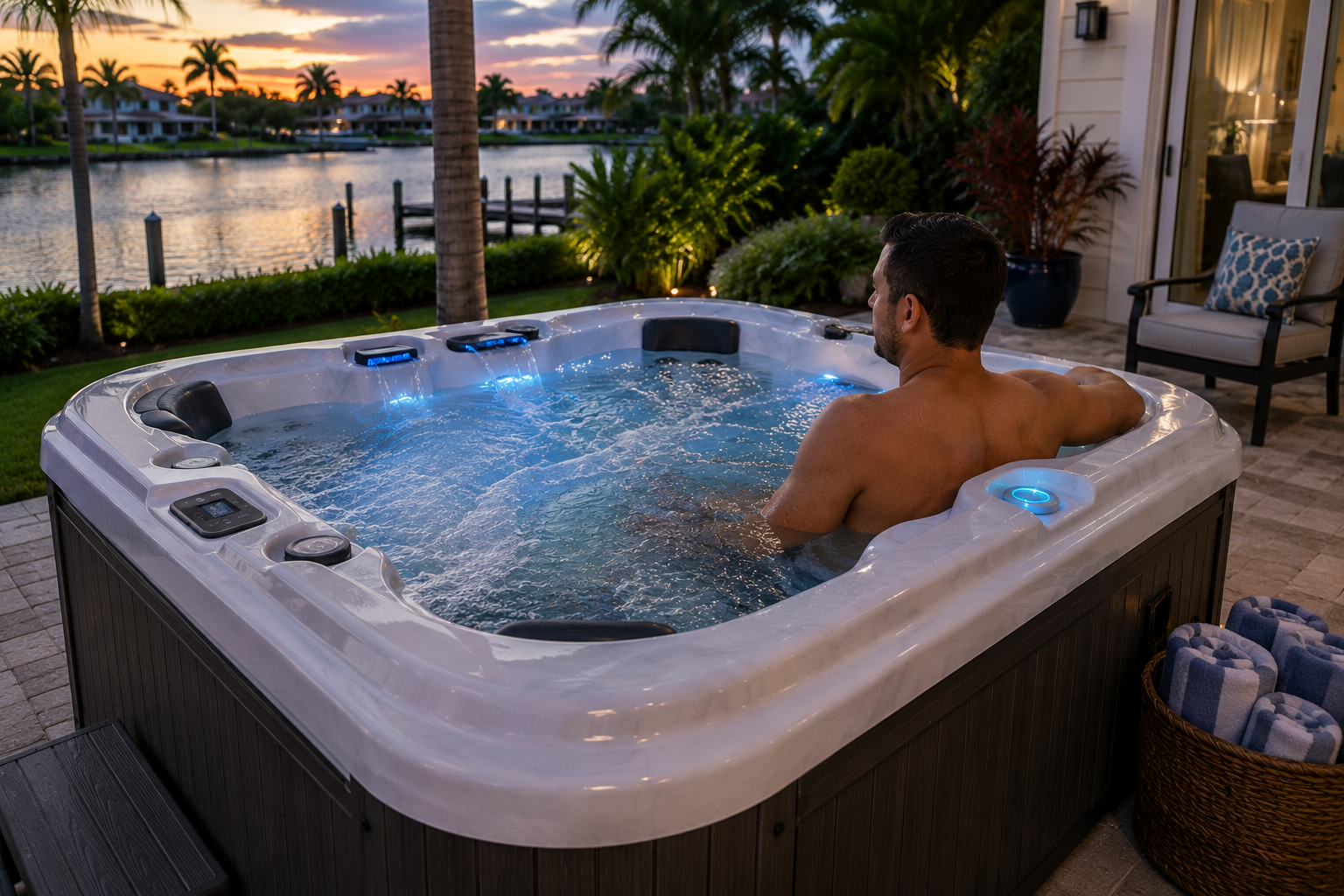

Largo Spa & Hot Tub Services | Installation, Repair & Maintenance
Spa and Hot Tub Solutions Designed for Comfort, Reliability, and Long-Term Use
A spa or hot tub should feel relaxing—not temperamental, uncomfortable, or difficult to maintain. But because these systems operate at higher temperatures, use smaller water volumes, and rely heavily on properly functioning equipment, even minor problems can affect comfort, sanitation, and performance quickly.
Curtis Pools provides spa and hot tub services for homeowners in Largo and nearby Florida markets, including installation, equipment repair, preventative maintenance, and test soaking. Whether you are adding a new spa, troubleshooting an existing hot tub, or trying to keep your system running consistently, the goal is to make sure every component works together: water, heat, circulation, controls, jets, and sanitation.
If you are planning a new spa or dealing with unreliable performance, you can start with a free pool quote to review your options and determine the right next step.
Why Spa and Hot Tub Systems Require Specialized Care
Spas and hot tubs are not just smaller pools. They operate under different conditions and require a different level of attention.
Compared to a standard pool, a spa or hot tub typically has:
- Higher water temperature
- Smaller water volume
- Faster chemical fluctuation
- More concentrated bather load
- More complex jet and control systems
- Greater demand on heaters and pumps
Because of that, problems can develop faster. Water that is slightly out of balance in a large pool can become uncomfortable or unsafe much more quickly in a spa. Equipment issues also become more noticeable because comfort depends on heat, jet pressure, and circulation working properly at the same time.
That is why proper installation, repair, and maintenance matter so much.
Spa & Hot Tub Installation
Spa and hot tub installation begins with more than choosing a unit or deciding where it should sit. The right installation depends on placement, access, structural support, electrical requirements, drainage, serviceability, and how the spa will be used.
A proper installation should account for:
- Safe and convenient placement
- Adequate support beneath the spa
- Access for future service and repairs
- Electrical and equipment requirements
- Water drainage and surrounding surface conditions
- Integration with the pool, patio, or outdoor living space
For integrated pool-and-spa designs, installation is even more involved. Plumbing, heating, controls, spillways, and circulation must be planned as one coordinated system. A spa that looks good but is hard to access, slow to heat, or difficult to maintain becomes frustrating quickly.
Curtis Pools helps homeowners plan spa and hot tub installations around both immediate comfort and long-term usability.
Hot Tub Equipment Repair
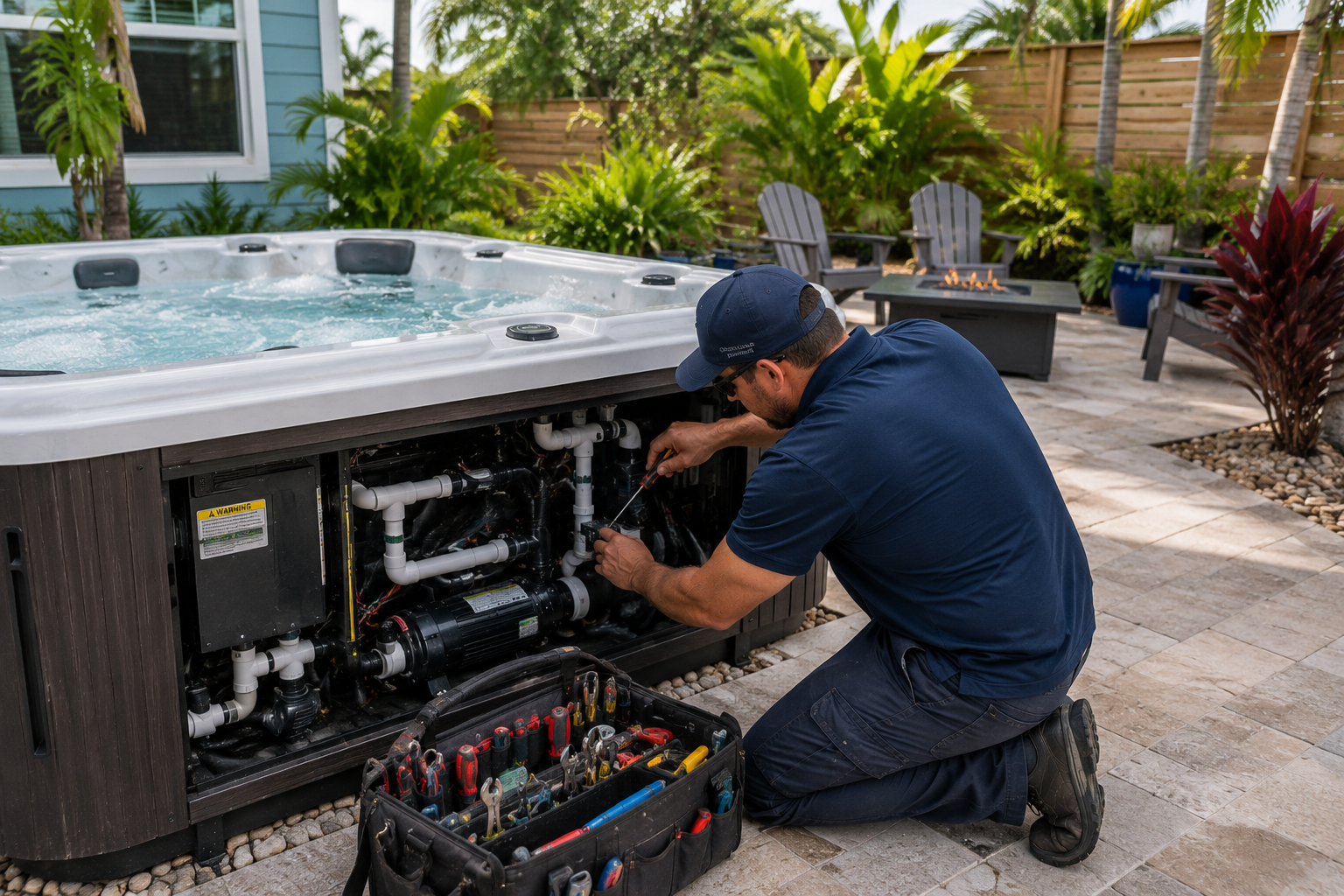
When a hot tub stops working properly, the issue is usually tied to one of a few core systems: heating, circulation, jets, controls, or water movement.
Common signs equipment repair may be needed include:
- Water not heating properly
- Weak or inconsistent jet pressure
- Pumps making unusual noise
- Error codes on the control panel
- Water not circulating effectively
- Breakers tripping or system shutoffs
- Temperature dropping faster than expected
Hot tub equipment repair requires accurate diagnosis because symptoms can overlap. A heating issue may actually be caused by poor flow. Weak jets may come from pump wear, valve problems, or blockages. Control errors may be electrical, sensor-related, or tied to equipment communication.
Curtis Pools evaluates the system before recommending repair so the underlying issue is addressed instead of replacing parts unnecessarily.
Hot Tub Equipment Maintenance
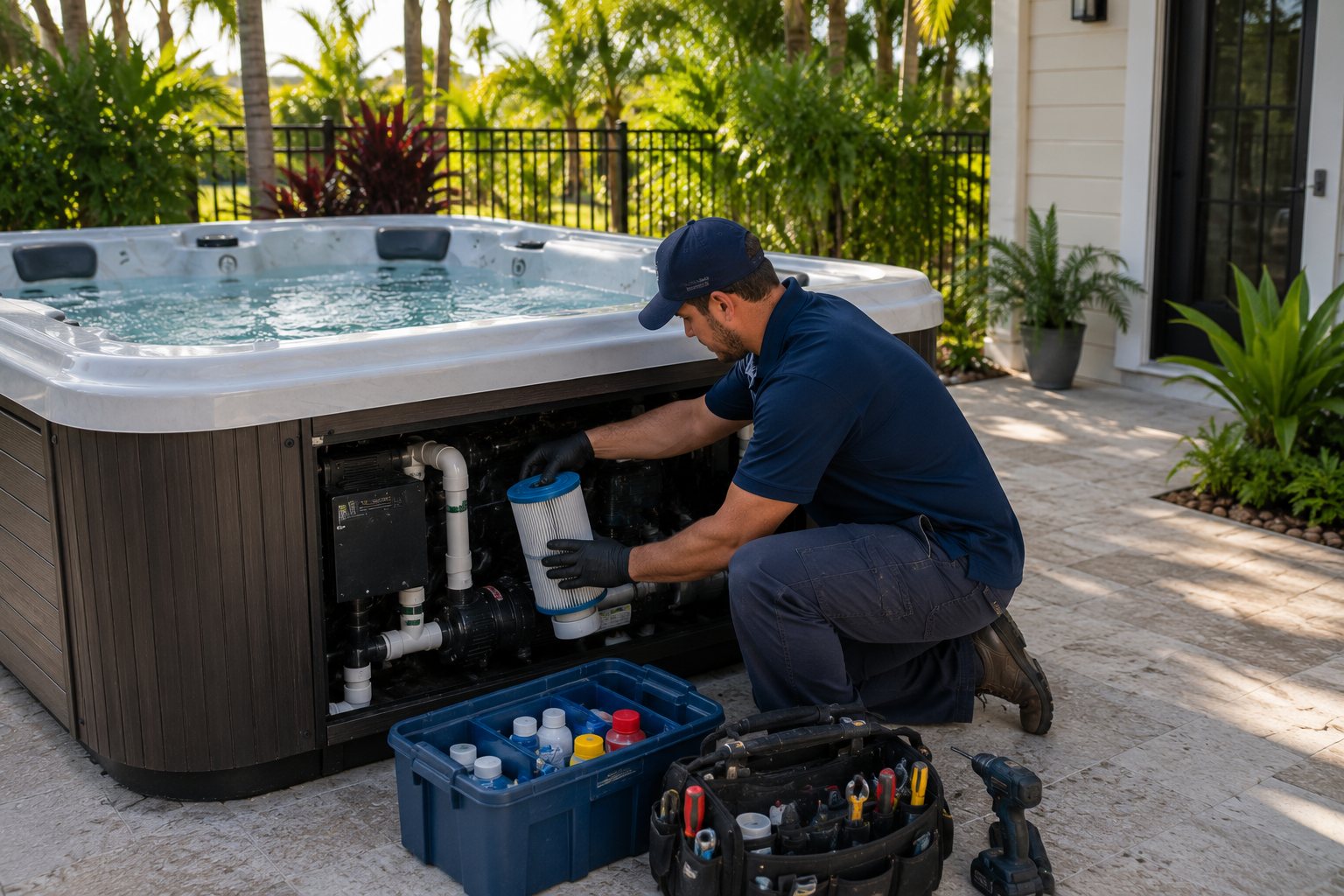
Preventative maintenance is one of the best ways to avoid hot tub breakdowns. Because spa systems work under heat and pressure, small issues can become larger problems if they are ignored.
Maintenance may include:
- Checking pump and motor performance
- Inspecting heater operation
- Cleaning or evaluating filters
- Reviewing jet function and water flow
- Checking seals, valves, and connections
- Testing controls and system response
- Monitoring water balance and sanitizer levels
Routine maintenance helps keep the system comfortable, efficient, and predictable. It also extends equipment life by reducing strain on pumps, heaters, and filters.
For homeowners who use their spa frequently, maintenance is not optional—it is what keeps the system enjoyable instead of unreliable.
Hot Tub Test Soaking
Test soaking is an important step after installation, repair, or major service. It confirms that the spa or hot tub actually performs correctly under real-use conditions.
A test soak may help verify:
- Water reaches and holds the correct temperature
- Jets operate with proper pressure
- Controls respond correctly
- Water circulation remains stable
- Heating and filtration continue during use
- No leaks or performance issues appear under load
This is especially useful after equipment repair or new installation. A system can appear functional during a basic startup but still reveal problems once it is filled, heated, and used. Test soaking helps catch those issues before the spa is relied on regularly.
For homeowners, it provides confidence that the system is ready—not just technically running.
Integrated Spa Systems vs Standalone Hot Tubs
Not every spa system is the same. Some are built into the pool. Others are standalone hot tubs placed on patios, decks, or outdoor living areas.
Integrated Pool Spas
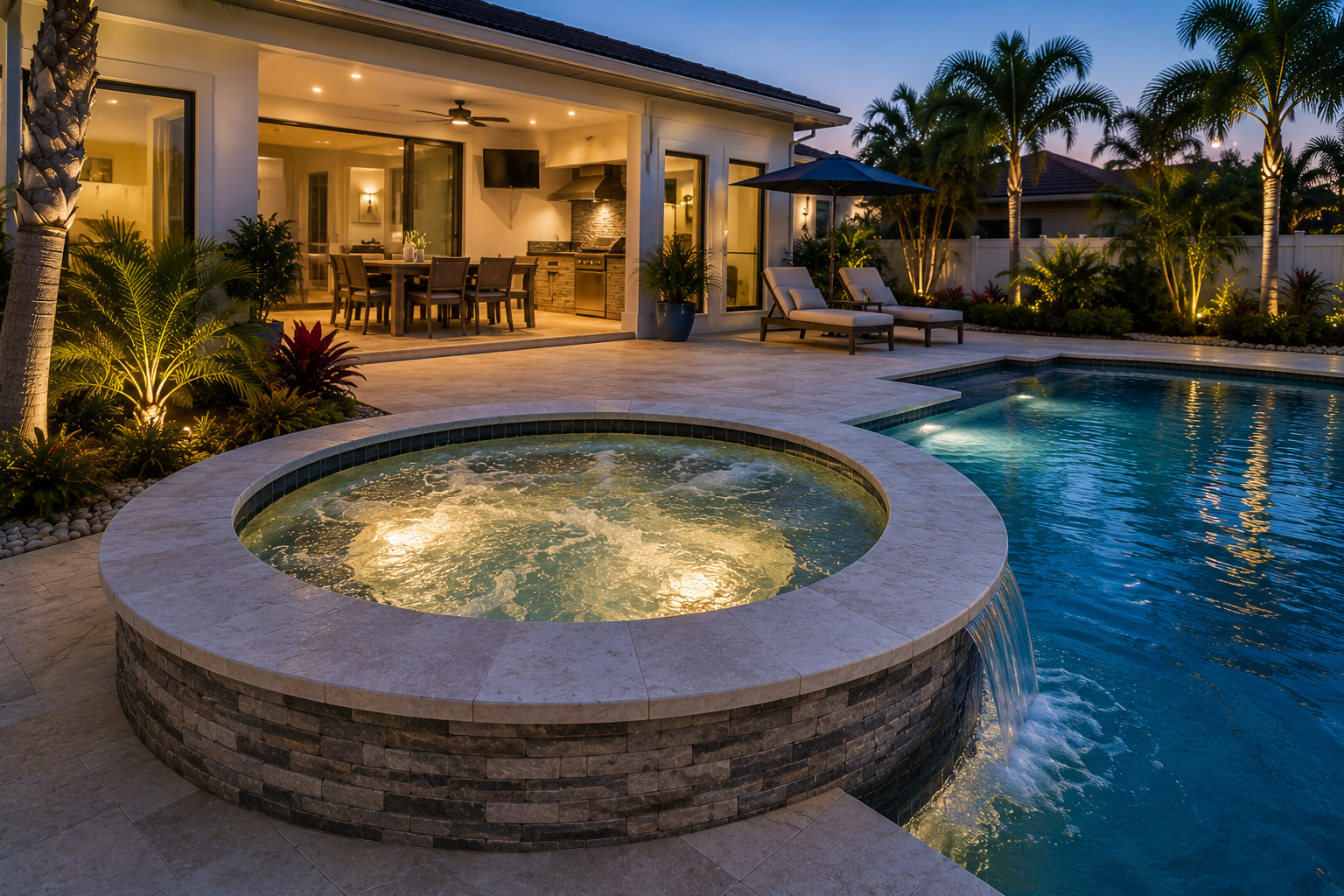
Integrated spas are usually designed as part of a larger pool system. They may include spillways, shared equipment, automation, heaters, and coordinated water circulation.
These systems require careful planning because the spa and pool must work together without creating pressure, heating, or sanitation problems.
Standalone Hot Tubs
Standalone hot tubs operate as self-contained systems. They still require proper placement, electrical setup, water care, and equipment maintenance, but they are usually managed separately from the pool.
Each option has advantages. Integrated spas often create a cleaner visual connection with the pool, while standalone hot tubs may offer simpler placement and dedicated controls.
Common Spa and Hot Tub Problems
Spa and hot tub issues often show up quickly because the system is compact and heavily used.
Common problems include:
- Water not heating or overheating
- Jets losing pressure
- Cloudy or foamy water
- Chemical levels changing rapidly
- Unusual pump or motor noise
- Control panel errors
- Leaks around fittings or equipment
- Filters clogging faster than expected
Some issues are water-related. Others are mechanical. Many involve both. For example, poor circulation can lead to water imbalance, while unbalanced water can damage equipment over time.
That is why effective service looks at the entire system.
Water Balance Matters More in Spas
Spa water is less forgiving than pool water. Because the volume is smaller and the temperature is higher, chemistry can shift quickly.
Important factors include:
- pH
- Alkalinity
- Sanitizer level
- Calcium hardness
- Filter condition
- Frequency of use
When water balance is off, you may notice skin irritation, cloudy water, odor, scaling, or equipment stress. Proper testing and adjustment help keep the spa comfortable and protect system components.
If water chemistry is difficult to control, services like swimming pool water analysis can help identify broader balance issues that may also affect connected spa systems.
Heating, Jets, and Comfort Are Connected
A spa is only enjoyable when heat, jet pressure, and water movement are consistent.
If any one of those is off, the experience changes immediately:
- Weak jets reduce therapeutic value
- Poor circulation affects water quality
- Heater issues make the spa unreliable
- Control problems make the system difficult to use
Comfort is not created by one component. It depends on the entire system working together.
That is why equipment repair and maintenance should focus on performance, not just whether the unit turns on.
Planning Spa Features During a Larger Pool Project
If you are building or remodeling a pool, it is often smarter to plan spa features early rather than adding them later.
This may include:
- Spa spillways
- Heating systems
- Automation controls
- Lighting
- Seating layout
- Jet placement
- Equipment access
If your project includes broader upgrades, a spa can often be coordinated with pool remodeling, smart pool automation, or spa spillways to create a more complete system.
Planning ahead reduces retrofit costs and improves the final result.

Why Curtis Pools
70+ Years of Experience
Curtis Pools brings decades of hands-on experience building, repairing, and maintaining spa and pool systems designed for Florida conditions.
Complimentary Design & Planning
We help homeowners evaluate spa placement, system requirements, and long-term usability before installation or upgrades.
Exclusive Free Start-Up Package
Includes one month of service and Pool Patrol safety features to ensure your system is running properly from day one.
Locally Trusted Across the Region
Serving homeowners throughout the Largo area with consistent, reliable service and long-term results.
Waterfront & Structural Specialists
We understand complex installations, tight access areas, and structural considerations that impact spa performance and longevity.
Unmatched Craftsmanship & Customization
Every spa and hot tub setup is designed around how it will actually be used—not just how it looks.
In-House Team, No Shortcuts
Installation, repair, and maintenance are handled by experienced professionals with full accountability.
Industry Innovation Leaders
We incorporate modern spa technology and system improvements that enhance comfort, efficiency, and control.
70-Year Anniversary Savings
Ask about current promotions and savings opportunities available for new projects and upgrades.
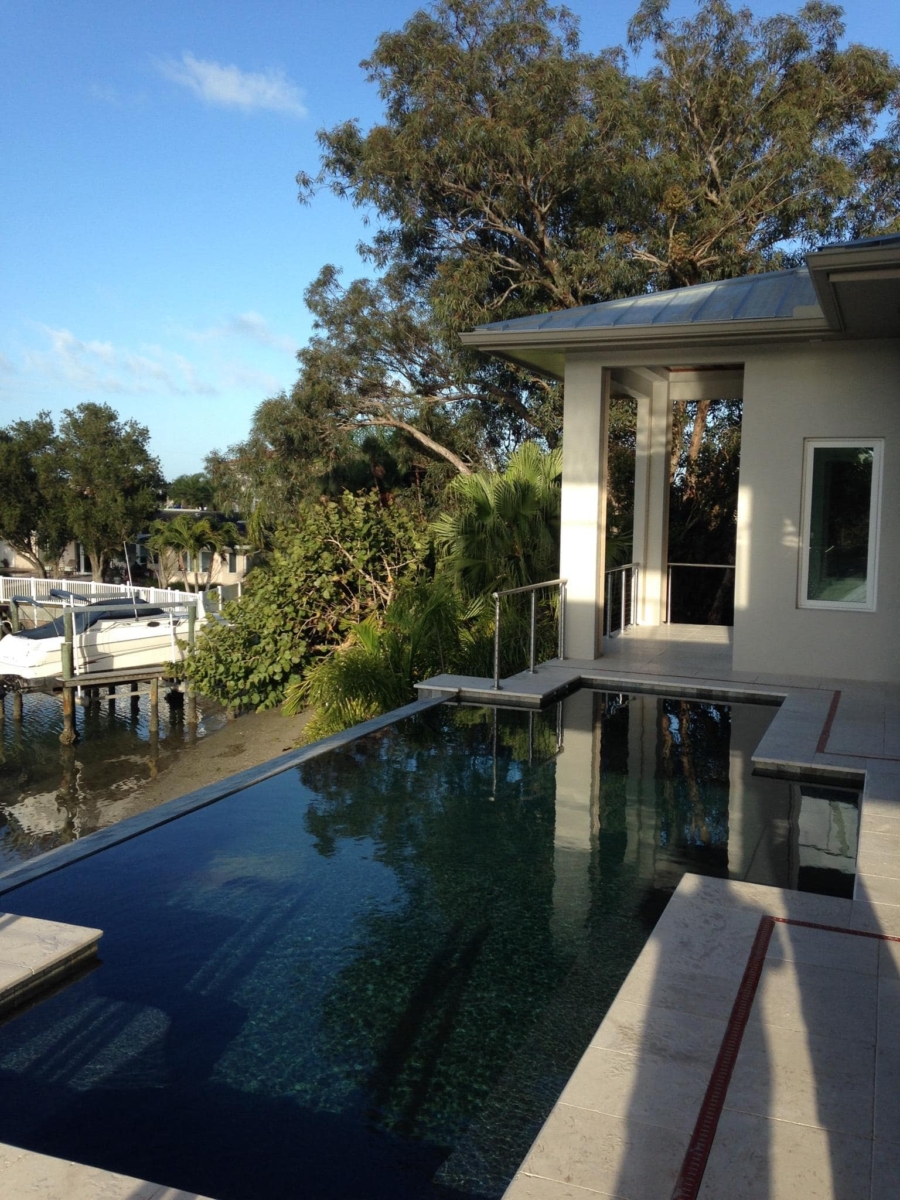
Areas We Serve
Curtis Pools provides spa and hot tub services in:
Frequently Asked Questions – Spa & Hot Tub Services
What is included in spa and hot tub service?
Service depends on the system and issue, but it may include water testing, filter checks, equipment inspection, heater evaluation, jet performance review, control testing, and recommendations for repair or maintenance. For integrated spa systems, the pool equipment may also need to be evaluated.
How often should a hot tub be maintained?
Hot tubs usually need more frequent attention than pools because they hold less water and operate at higher temperatures. Water should be tested regularly, filters should be cleaned or replaced as needed, and equipment should be inspected before performance problems develop.
Why is my hot tub not heating properly?
Heating problems can come from a failing heater, poor flow, dirty filters, sensor issues, electrical problems, or control malfunctions. A proper diagnosis is important because replacing the heater will not solve the issue if the real problem is circulation or system communication.
What causes weak hot tub jets?
Weak jets may be caused by clogged filters, pump issues, airlock, valve problems, blocked lines, or worn components. Jet pressure depends on the full circulation system, so the source should be identified before parts are replaced.
Can a spa be added to an existing pool?
In many cases, yes, but it depends on the pool structure, equipment capacity, plumbing layout, available space, and design goals. Adding a spa is easiest when coordinated with a broader remodel or equipment upgrade.
Why does spa water get cloudy so quickly?
Cloudy spa water is often caused by high bather load, poor filtration, sanitizer loss, pH imbalance, or oils and contaminants entering the water. Because spas hold less water than pools, these issues develop faster and require more consistent management.
What is test soaking and why does it matter?
Test soaking verifies that the spa performs correctly under real conditions. It helps confirm temperature stability, jet pressure, circulation, controls, and overall comfort before the system is considered ready for regular use.
Should I repair or replace my hot tub equipment?
That depends on the age, condition, cost of repair, and whether other components are also nearing failure. If the system is otherwise sound, repair may make sense. If multiple parts are failing or efficiency is poor, replacement may be the better long-term option.