Largo Commercial Pool Cleaning | Hotels, HOAs & Apartments
Commercial Pool Cleaning for High-Use Properties Across West Central Florida
Commercial pool cleaning has to do more than make the water look presentable. For hotels, HOAs, apartment communities, fitness centers, and shared-use pools, cleaning affects water quality, guest experience, inspection readiness, equipment strain, and liability.
A commercial pool can look clear in the morning and still become a problem by the afternoon if bather load, debris, filtration, and chemical demand are not being managed together. That is why commercial pool cleaning should be built around how the pool is actually used—not just a fixed checklist.
If recurring debris, cloudy water, chemical swings, or guest complaints are becoming an issue, you can get a free commercial pool cleaning evaluation to determine whether your current service plan is keeping up with your facility.
Why Commercial Pool Cleaning Fails in High-Use Pools
Most cleaning failures don’t come from one missed visit. They usually come from a service plan that does not match the pool’s actual workload.
A pool may be cleaned on schedule, but if the cleaning plan doesn’t account for:
- Daily bather load
- Landscaping and wind-blown debris
- Sunscreen, oils, and organic contaminants
- Filter performance
- Circulation patterns
- Storm exposure
…the pool can still fall behind.
This is why many commercial properties deal with recurring water clarity issues even when the pool is being serviced consistently. The schedule may exist, but the strategy is not strong enough for the facility.
Commercial Pool Cleaning and System Performance Are Directly Connected
Commercial pool cleaning cannot be separated from how the pool system operates.
Water clarity, chemical balance, and sanitation depend on:
- Circulation efficiency
- Filtration capacity
- Surface condition
- Equipment consistency
If any of these are compromised, pool cleaning becomes reactive instead of preventative.
Poor circulation creates areas where debris settles. Worn surfaces make algae harder to remove. Undersized or underperforming filters allow contaminants to stay in the water longer than they should.
This is why effective commercial pool cleaning must work alongside commercial pool maintenance systems and commercial pool equipment repair demands.
What Proper Pool Cleaning Includes Beyond Basic Debris Removal
Skimming and vacuuming are visible, but they are only part of proper pool cleaning.
A complete commercial pool cleaning process includes:
Surface skimming and debris removal
- Vacuuming of pool floor and walls
- Brushing to prevent algae attachment
- Tile line cleaning and buildup removal
- Basket and strainer clearing
If brushing is skipped or inconsistent, algae and biofilm can begin forming even when the water still looks acceptable.
If baskets are not cleared regularly, circulation is reduced. That affects filtration, chemical distribution, and overall water quality.
Commercial pool cleaning is not just about appearance. It is about preventing the conditions that make the pool harder and more expensive to manage.
How Pool Cleaning Impacts Chemical Balance and Water Stability
Organic debris directly impacts chemical demand.
Leaves, oils, sunscreen, and contaminants can:
- Increase chlorine demand
- Disrupt pH balance
- Accelerate algae growth
- Make sanitizer levels harder to stabilize
If debris is not removed promptly, the chemical system has to work harder. That can lead to higher chemical usage, unstable readings, and more frequent corrective treatments.
This is where pool cleaning and automation intersect.
Systems like smart pool automation systems can help regulate dosing, but they cannot remove debris, brush surfaces, or clean the waterline. Without proper pool cleaning, automation becomes a backup response instead of a stabilizing tool.
Surface Condition and Its Impact on Commercial Pool Cleaning
Older or damaged pool surfaces change how commercial pool cleaning performs.
Rough or deteriorating finishes can:
- Trap algae and bacteria
- Increase staining
- Require more aggressive brushing
- Raise chemical demand
- Make routine cleaning less effective
This increases labor, chemical use, and wear on the system.
In these cases, commercial pool cleaning alone may not solve the problem. If the surface is failing, commercial pool resurfacing may be needed to restore a cleaner, more manageable interior finish.
Pool Cleaning Standards for High-Use Commercial Facilities
Pool cleaning requirements vary by property type.
A hotel pool with steady guest turnover does not behave the same way as a seasonal HOA pool. An apartment pool with weekend surges creates different cleaning demands than a gym pool used consistently throughout the day.
That is why specialized service categories matter:
- hotel pool service
- apartment pool service
- hoa pool service
- community pool service
- gym pool service
Each setting has different usage patterns, cleaning frequency needs, and risk points. A generic schedule may work for a low-use pool, but it usually does not hold up in high-traffic commercial environments.
When Cleaning Alone Is Not Enough
One of the most common mistakes in commercial pool care is assuming every water problem is a cleaning problem.
If issues keep coming back despite consistent service, the cause may be:
- Poor circulation
- Filter limitations
- Equipment inconsistency
- Surface deterioration
- Plumbing or return-flow problems
In those situations, commercial pool cleaning becomes a short-term correction instead of a fix.
Addressing the source may require commercial pool remodeling, equipment upgrades, or changes to the maintenance plan.
Common Commercial Pool Cleaning Failures
Understanding failure patterns helps prevent repeat problems.
Inconsistent Cleaning Frequency
Leads to debris accumulation, higher chemical demand, and recurring water clarity problems.
Skipping Brushing
Allows algae and biofilm to attach to surfaces before they are visible.
Ignoring Circulation Issues
Leaves sections of the pool under-filtered and harder to sanitize.
Over-Reliance on Chemicals
Treats the symptom while debris, buildup, or circulation issues continue.
Delayed Response After Heavy Use or Storms
A busy weekend or major storm can overwhelm a pool quickly if service does not adjust.
These issues can compound fast in commercial pools because the water is under heavier use and has less margin for error.
Why Curtis Pools
70+ Years of Experience
Commercial cleaning decisions are based on how pools behave under heavy use—not just whether the surface looks clean after a visit.
Complimentary Design & Planning
We evaluate cleaning needs alongside circulation, filtration, and usage patterns so the service plan matches the facility.
Exclusive Free Start-Up Package
Includes initial service alignment and system review to help stabilize cleaning, chemistry, and equipment performance from the start.
Locally Trusted Across the Region
Experience serving properties across your full service area provides practical insight into local debris, weather, and usage conditions.
Waterfront & Structural Specialists
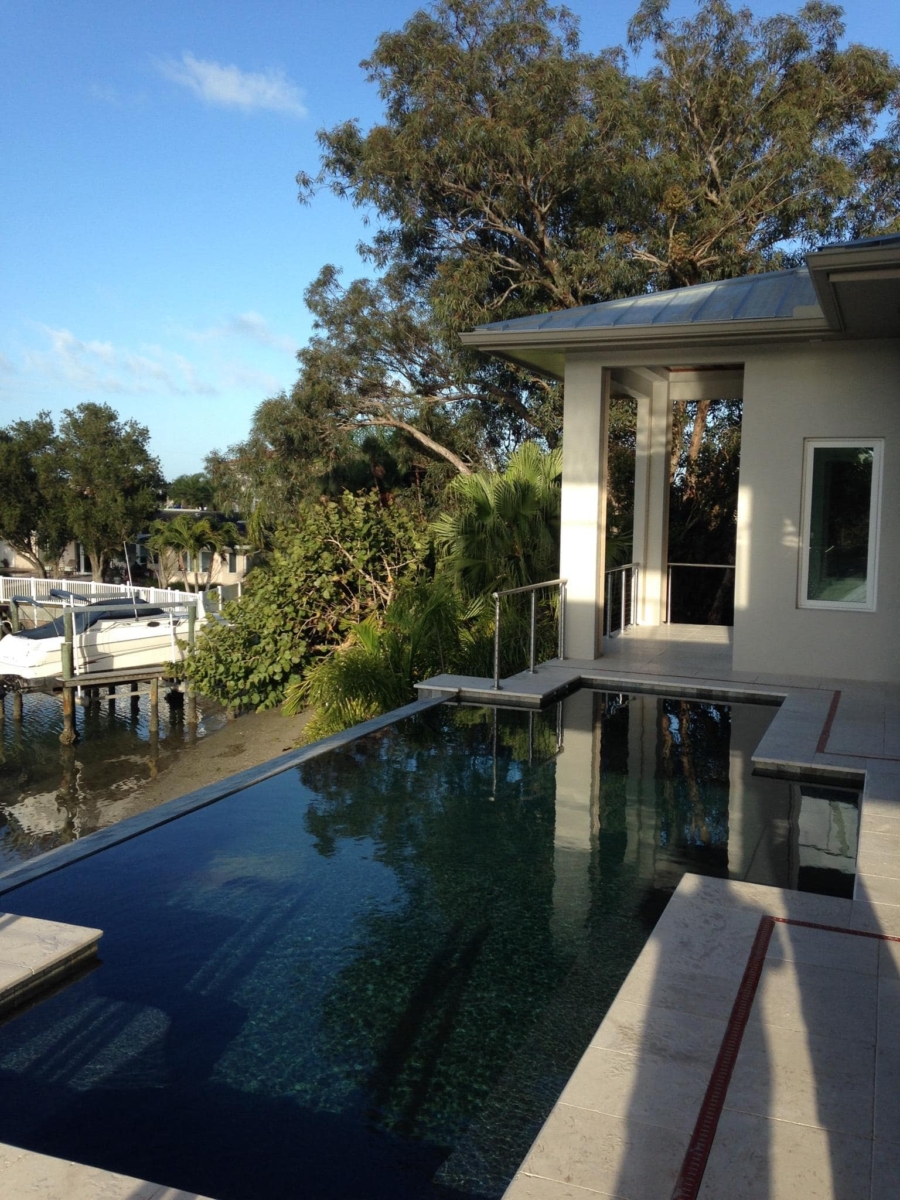
Pools exposed to coastal conditions, runoff, wind, and heavy landscaping require a cleaning plan that accounts for more than basic debris removal.
Unmatched Craftsmanship & Customization
Commercial pool cleaning is tailored to the property type, surface condition, equipment setup, and bather load instead of being treated as a one-size-fits-all service.
In-House Team, No Shortcuts
Cleaning, maintenance, and system performance are handled with accountability, reducing the disconnect between service visits and actual pool condition.
Areas We Serve
Curtis Pools provides commercial pool cleaning and related services across:
Final Considerations Before Moving Forward
Commercial pool cleaning is not just about keeping the water clear. It is about keeping the pool safe, usable, and easier to manage between visits.
If your property is dealing with recurring cloudy water, debris buildup, chemical instability, or complaints from residents, guests, or members, the cleaning plan may need to be adjusted before the problem becomes more expensive.
Contact us for a free consultation to review your commercial pool cleaning needs and build a service plan around the way your facility is actually used.
Frequently Asked Questions
How often should a commercial pool be cleaned?
Frequency depends on bather load, landscaping, weather exposure, and system performance. High-use pools may need multiple visits per week, especially during peak season or after heavy storms.
What’s included in commercial pool cleaning?
Commercial pool cleaning typically includes skimming, vacuuming, brushing, tile line cleaning, basket clearing, and basic system checks to make sure debris and buildup are not interfering with circulation.
Why does my pool still get cloudy even with regular cleaning?
Cloudy water is often caused by circulation, filtration, or chemical instability—not cleaning frequency alone. If water is not moving and filtering properly, contaminants can remain suspended even after the pool has been cleaned.
Can better cleaning reduce chemical costs?
Yes. Removing debris, oils, and organic material before they break down helps reduce chlorine demand and makes pH easier to manage. This can lower chemical waste and reduce emergency correction treatments.
Does automation replace commercial pool cleaning?
No. Automation helps manage chemical dosing and system scheduling, but it cannot skim debris, brush surfaces, vacuum the pool, or clean buildup along the waterline.
What are signs that a commercial pool needs more frequent cleaning?
Recurring cloudy water, visible debris, slick surfaces, clogged baskets, algae spots, waterline buildup, or frequent chemical swings are signs the current cleaning schedule may not be enough.
Why does brushing matter if the pool water looks clean?
Brushing removes early algae growth, biofilm, and buildup before they become visible problems. Skipping brushing allows contaminants to attach to surfaces, especially in corners, steps, and shaded areas.
How do I know if my current cleaning plan is working?
A good cleaning plan should keep the pool consistently clear, reduce chemical swings, prevent buildup, and support filtration. If problems keep returning between visits, the plan may not match the pool’s usage or system condition.