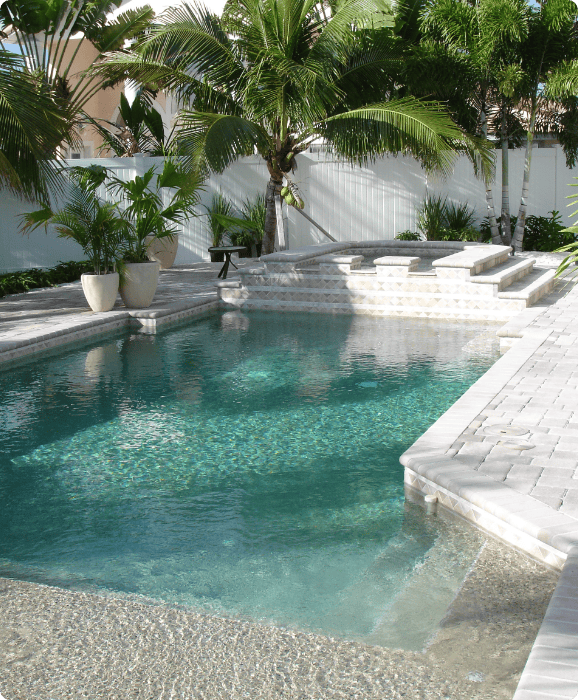
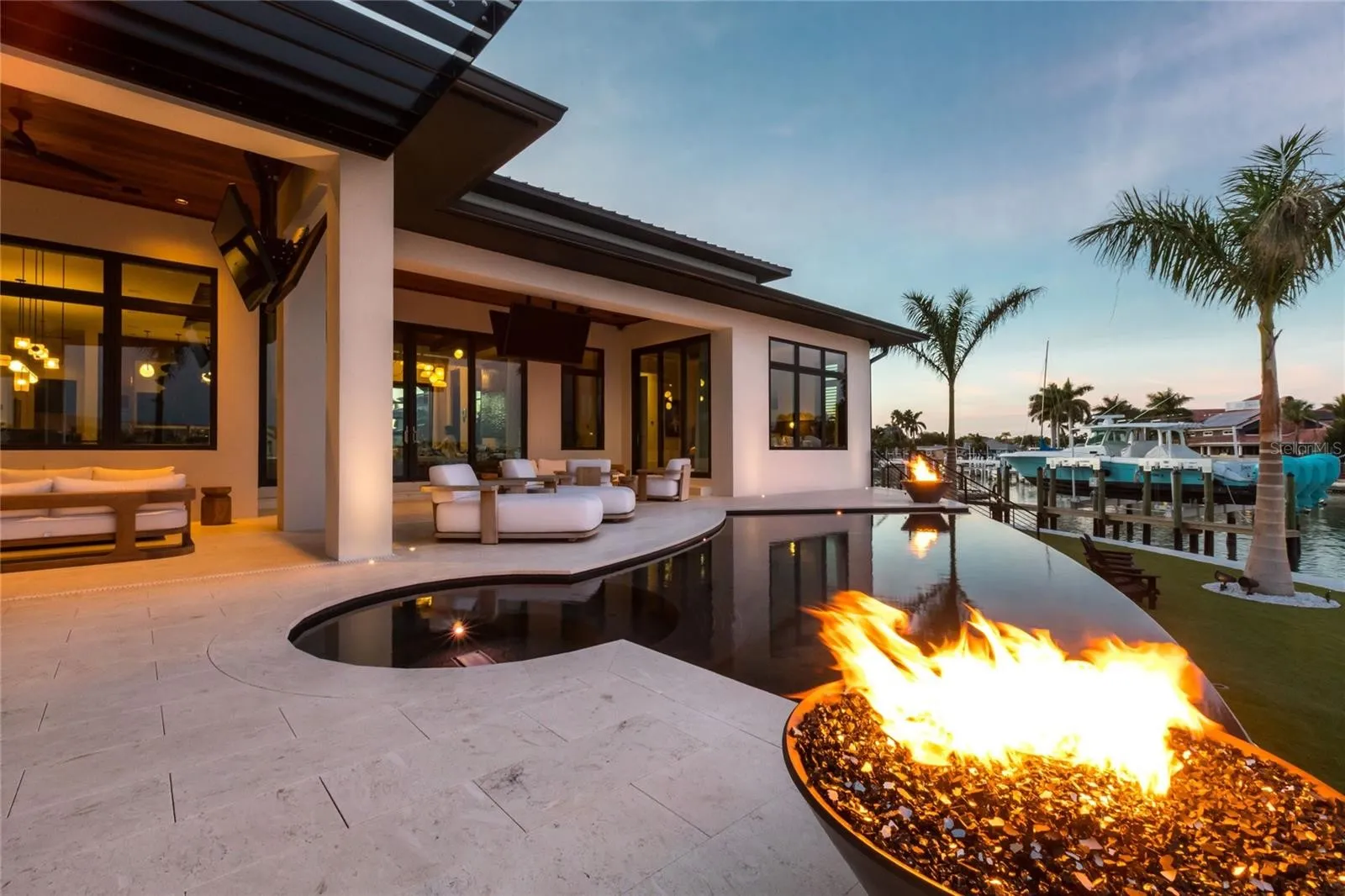
Pool Water Feature Construction Largo FL | Custom Water Features & Design
Swimming Pool Water Feature Construction for Homes in the Largo Area and Surrounding Pinellas County Communities
Water features are one of the fastest ways to change how a pool feels.
They introduce movement, sound, and visual contrast—but more importantly, they change how the space is experienced. A still pool feels one way. A pool with flowing water feels completely different, even if the footprint hasn’t changed.
Curtis Pools designs and builds custom pool water features for homeowners throughout the Largo area and surrounding Pinellas County communities, focusing on systems that look intentional, operate consistently, and integrate cleanly with the pool—not features that feel added on after the fact.
If you’re planning a new build or upgrading an existing pool, you can explore custom pool water feature construction options before deciding what type of feature makes sense for your space.
How Water Features Change Pool Function and Experience
Water features are often thought of as purely aesthetic, but they impact more than appearance.
They affect:
- Circulation patterns
- Sound levels
- Visual focal points
- Perceived temperature and movement
- Overall usability of the space
A properly designed feature enhances the pool. A poorly designed one becomes background noise—literally and visually.
Types of Pool Water Features
Different features create different effects. Choosing the right one depends on the layout, elevation, and design goals.
- Sheer Descents
- Smooth, controlled sheet of water
- Clean, modern appearance
Works well with straight-line pool designs
Deck Jets
- Arcing streams of water from the deck into the pool
- Add movement without major structural changes
- Often used in symmetrical layouts
Bubblers
- Low-profile upward water movement
- Common on tanning ledges and shallow areas
- Subtle but effective visual enhancement
Waterfalls & Rock Features
- Natural, layered water flow
- More organic appearance
- Often paired with lagoon-style pools
Spillways (Spa or Raised Wall)
- Continuous flow between elevations
- Combines function and design
- Works well with integrated spa systems
(See also: spa spillways)
Design Comes Before Installation
The biggest mistake with water features is treating them as add-ons instead of planned elements.
Design considerations include:
- Pool shape and layout
- Elevation changes
- Line of sight from the home
- Sound level preferences
- Integration with lighting and finishes
Without planning, features can feel misplaced or out of scale.
Flow Rate and Hydraulic Balance
Every water feature depends on proper flow.
Too little flow:
- Weak visual effect
- Inconsistent performance
Too much flow:
- Excessive noise
- Splash-out and water loss
- Increased system strain
Proper hydraulic design ensures:
- Even distribution
- Controlled movement
- Consistent appearance
Integration With Pool Systems
Water features rely on the same systems that power the pool.
They must be coordinated with:
- Pumps and circulation
- Filtration systems
- Plumbing layout
smart pool automation for control
Without proper integration, features can:
- Strain equipment
- Reduce overall efficiency
- Operate inconsistently
Lighting and Nighttime Impact
Water features look completely different at night.
- When paired with
- LED pool lighting
they can:
- Highlight water movement
- Create contrast and depth
- Add color effects
- Turn the feature into a focal point
Lighting should be planned alongside the feature—not added later.
Structural and Material Considerations
Water features must be built to handle constant water exposure.
Key factors include:
- Proper sealing and waterproofing
- Material compatibility
- Structural support
- Resistance to mineral buildup
If materials aren’t selected properly, features can degrade faster than expected.
Common Water Feature Issues
Poorly designed or installed features often develop problems such as:
Uneven water flow
Excessive noise
Splashing outside the pool
Mineral buildup affecting appearance
System strain or inefficiency
These issues are usually tied to design—not the concept itself.
When to Add Water Features
Water features make the most sense when:
- Building a new pool
- Remodeling or upgrading
- Adding elevation changes
- Creating a focal point
They are less effective when added without a clear design purpose.
What a Proper Water Feature Should Deliver
After installation, your feature should:
- Flow consistently and evenly
- Match the scale of the pool
- Integrate with the overall design
- Operate without excessive noise or splash
- Enhance the space—not distract from it
If it feels out of place, it likely wasn’t designed correctly.
Why Curtis Pools
70+ Years of Experience
We’ve designed and built custom pool systems across a wide range of environments.
Complimentary Design & Planning
We help determine which features actually fit the space before building.
Exclusive Free Start-Up Package
Includes one month of service and Pool Patrol safety features.
Locally Trusted Across the Region
Serving homeowners throughout Largo and Pinellas County.
Waterfront & Structural Specialists
We understand elevation, flow, and environmental considerations.
Unmatched Craftsmanship & Customization
Every feature is designed to fit the pool—not added generically.
In-House Team, No Shortcuts
Design and installation are handled with full accountability.
Areas We Serve
Curtis Pools provides pool water feature construction in:
Frequently Asked Questions – Pool Water Features
Do water features require a separate pump?
Sometimes. Smaller features may share a system, but larger ones often need dedicated pumps for proper flow.
Are water features noisy?
It depends on the design and flow rate. Some are subtle, while others are intentionally more pronounced.
Can water features increase maintenance?
They can, especially if they create splash or increase evaporation, but proper design minimizes this.
Do water features affect circulation?
Yes, they can improve circulation when integrated properly.
Can I add a water feature to an existing pool?
In many cases, yes—but it depends on structure, plumbing, and layout.
What causes uneven water flow?
Usually improper leveling or incorrect flow rate.
Are water features worth it?
When designed correctly, they significantly enhance the pool’s experience and visual appeal.
Do water features increase energy usage?
They can, depending on pump requirements and runtime.