Swimming Pool Coping Repair Largo FL | Fix Loose, Cracked & Unsafe Pool Edges
Stabilize and Restore Pool Coping for Safer, Longer-Lasting Pool Edges in Coastal Pinellas
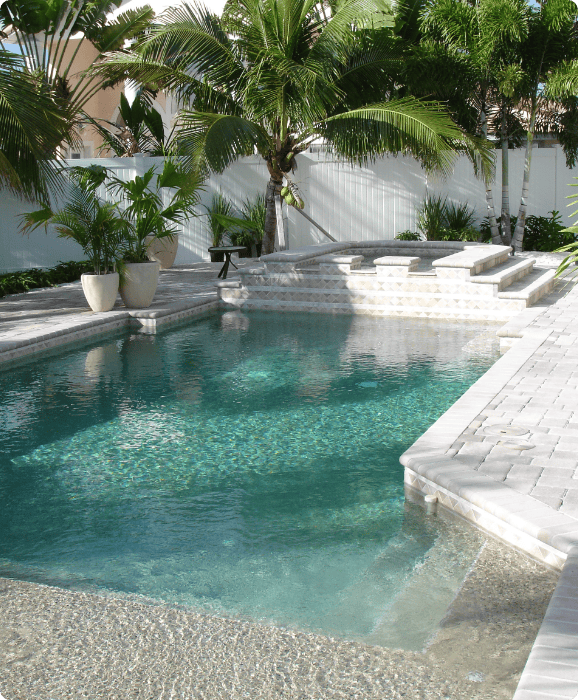
Coping is the finished edge that caps your pool shell. It’s where people sit, step in and out, and transition from deck to water. When coping starts to crack, shift, or loosen, it’s not just a cosmetic issue—it becomes a safety concern and a pathway for water to get behind the structure.
Curtis Pools provides swimming pool coping repair for properties in Largo and throughout coastal Pinellas. The focus is simple: restore edge stability, correct the underlying cause, and ensure the pool perimeter is safe, aligned, and sealed against intrusion.
If your coping feels loose underfoot, shows separation at the joints, or looks like it’s drifting out of line, it’s time to book a pool edge inspection and confirm what’s happening before it spreads.
What Pool Coping Actually Does
Coping isn’t just decorative. It serves three critical functions:
- Structural protection: Shields the top of the pool shell from exposure and damage
- Water control: Directs splash-out away from the pool structure and prevents infiltration
- Safety and usability: Provides a stable, non-slip edge for entry, exit, and seating
When coping fails, it exposes the bond beam (the structural ring at the top of the pool) to moisture and movement—two things that accelerate long-term damage.
Common Signs of Coping Failure
Coping issues often start subtly and become obvious over time. Look for:
- Loose or rocking stones
- Cracks through individual coping pieces
- Gaps or failing joints between sections
- Sections that have shifted or settled unevenly
- Separation between coping and deck
- Water getting behind the edge during use or rain
Any of these can indicate that the edge is no longer properly supported or sealed.
Why Coping Breaks Down
Coping sits at the intersection of the pool, deck, and environment. That makes it vulnerable to multiple forces:
- Soil movement and settling around the pool perimeter
- Expansion and contraction from temperature changes
- Water intrusion weakening the base materials
- Aging mortar or adhesives losing bond strength
- Deck stress transfer pushing or pulling the edge
- Improper original installation that never fully stabilized
Identifying which of these is at play determines whether the solution is a targeted repair or a broader edge rebuild.
Repair vs Replacement: Choosing the Right Approach
Not every coping issue requires a full replacement. The scope depends on the condition and extent of damage.
Targeted Coping Repair
Best when:
- Damage is localized
- Most stones remain stable
- The bond beam is intact
- Movement is minimal
This involves removing affected sections, correcting the base, and resetting the coping to match the existing line.
Partial or Full Coping Replacement
Recommended when:
- Multiple sections are loose or misaligned
- Materials are outdated or deteriorated
- The edge has shifted over a larger area
- You’re upgrading the pool’s look during a remodel
If your project includes other upgrades, pairing coping work with pool remodeling ensures everything ties together visually and structurally.
The Bond Beam: What’s Beneath the Coping
Under every coping edge is the bond beam—the reinforced concrete ring that holds the pool together at the top.
When coping fails, we inspect:
- Cracks or spalling in the bond beam
- Moisture intrusion behind the edge
- Loss of structural support
- Alignment issues around the perimeter
If deeper damage is present, it may require stabilization similar to swimming pool crack repair before coping can be reset. Skipping this step leads to recurring failures.
Materials: Matching or Upgrading Your Coping
Coping comes in a range of materials, each with different performance characteristics:
- Concrete coping: Durable, cost-effective, can be refinished or replaced
- Natural stone (travertine, limestone): Cooler underfoot, premium look, requires proper sealing
- Brick coping: Traditional aesthetic, strong but can shift if base fails
- Precast options: Consistent sizing and clean lines
During repair, we can match existing materials or upgrade for better durability and appearance—especially if the current coping is dated or incompatible with your deck.
Alignment, Slope, and Water Control
A properly installed coping edge isn’t flat by accident—it’s engineered.
We ensure:
- Consistent alignment around the pool perimeter
- Correct slope to direct water away from the pool
- Tight joint spacing to prevent infiltration
- Secure bonding to the underlying structure
Even small alignment errors can lead to water pooling at the edge or migrating behind the coping, which is where long-term problems begin.
Coordinating Coping with Tile and Surface Work
Coping doesn’t exist in isolation. It connects directly to the waterline tile and interior surface.
That’s why many projects combine:
- swimming pool tile repair to restore the waterline
- pool resurfacing for a consistent interior finish
Handling these together avoids mismatched elevations, color inconsistencies, and repeated labor.
Safety Considerations (Often Overlooked)
Damaged coping is one of the most common safety hazards around a pool.
Risks include:
- Trip hazards from uneven edges
- Slipping due to loose sections
- Sharp edges from cracked materials
- Unstable footing when entering or exiting
Repairing coping isn’t just about appearance—it directly impacts how safe the pool is to use.
Florida Conditions and Edge Wear
Pools in Largo and along the coast experience constant environmental pressure:
- Heavy rain saturating surrounding soil
- High humidity affecting bonding materials
- Heat cycles expanding and contracting materials
- Continuous use throughout the year
These conditions accelerate coping wear, which is why proper installation and repair techniques matter more here than in milder climates.
What a Proper Coping Repair Should Achieve
After repair, your pool edge should be:
- Structurally stable with no movement
- Evenly aligned around the entire perimeter
- Properly sloped for drainage
- Securely bonded to the underlying structure
- Safe and comfortable for everyday use
If those outcomes aren’t achieved, the repair is incomplete.
Why Curtis Pools
70+ Years of Experience
We’ve handled everything from isolated coping repairs to full edge rebuilds.
Complimentary Design & Planning
We assess the edge, the bond beam, and surrounding conditions before recommending a fix.
Exclusive Free Start-Up Package
Includes one month of service and Pool Patrol safety features.
In-House Team, No Shortcuts
Edge work requires precision—everything is handled by experienced crews.
Waterfront & Structural Specialists
We understand how coastal conditions affect pool edges and materials.
Areas We Serve
Curtis Pools provides coping repair services in:
Frequently Asked Questions – Pool Coping Repair
Can loose coping be fixed without replacing everything?
Yes, if the damage is localized and the underlying structure is still sound.
What causes coping to shift?
Soil movement, water intrusion, and failing bonding materials are the most common causes.
How long does coping repair take?
Most targeted repairs take a few days, depending on the extent of work required.
Is it better to repair or replace coping?
It depends on how widespread the damage is and whether materials are outdated.
Can coping repair fix leaks?
It can help prevent water intrusion at the edge, but structural leaks may require additional work.
Will new coping match my existing deck?
In many cases yes, or we can recommend materials that complement the existing layout.
Is coping repair necessary for safety?
Yes—loose or uneven coping can create tripping and slipping hazards.
When should I address coping issues?
As soon as movement or damage is noticed to prevent further deterioration.