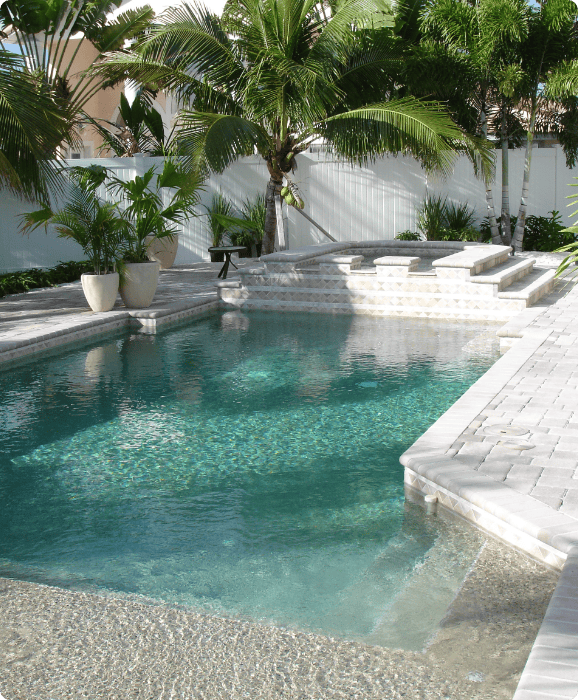
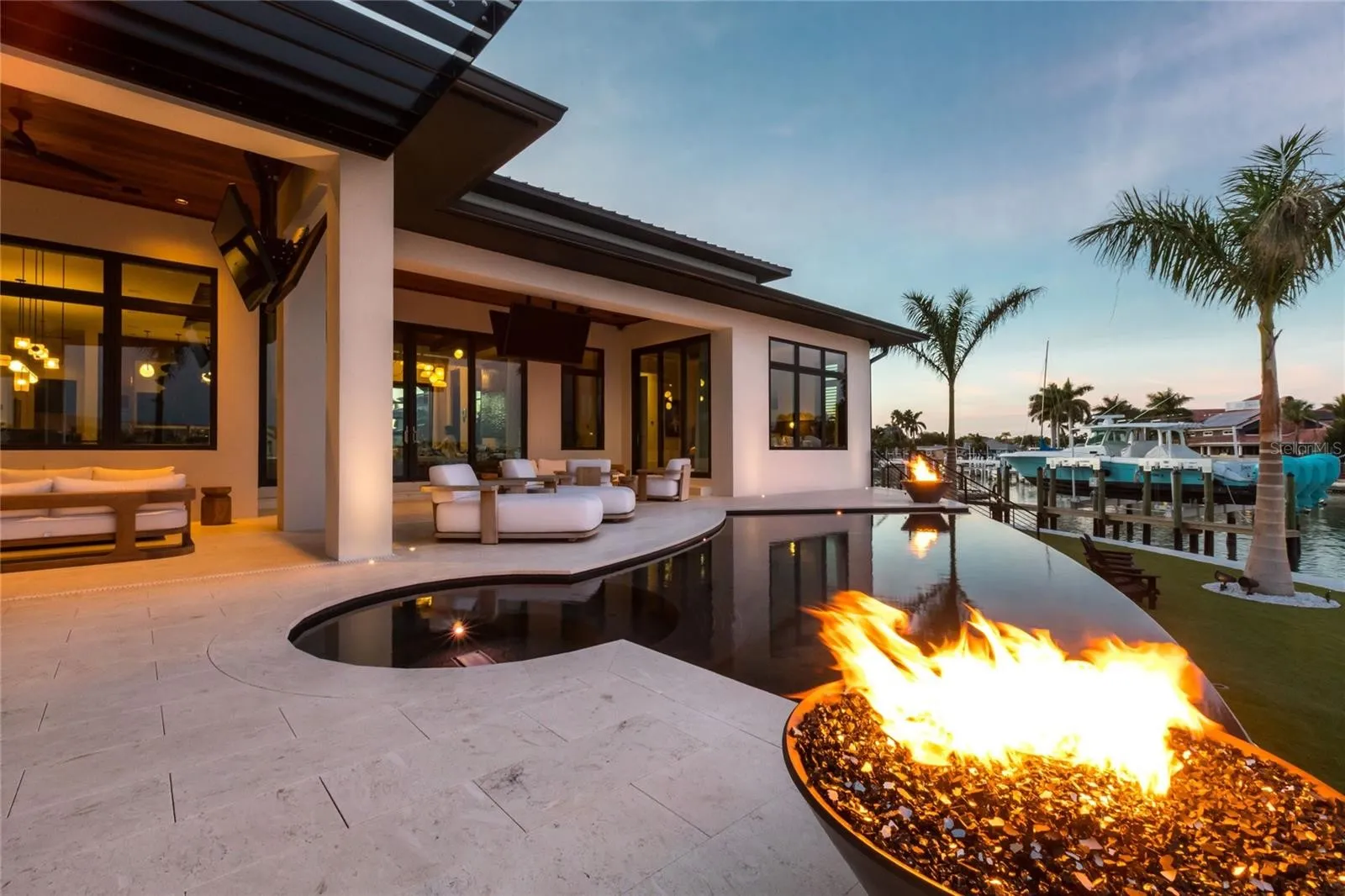
Custom Swimming Pool Design in Largo, FL
Custom Swimming Pool Design for Homes Across Largo and Nearby Communities
Custom swimming pool design is where a successful pool project begins.
Before construction, materials, finishes, equipment, lighting, decking, or landscaping are selected, the pool has to be designed around how the property actually functions. A pool that looks impressive on paper can still become frustrating if the layout wastes space, creates poor circulation, limits deck usability, places equipment poorly, or fails to account for drainage, sun exposure, and long-term maintenance.
For homeowners in Largo and nearby communities, custom swimming pool design should balance aesthetics with practical performance. The goal is not simply to create a beautiful pool. The goal is to create a pool that fits the home, works with the yard, supports the way your family uses the space, and remains manageable over time.
If you are planning a new pool, you can schedule a free custom pool design consultation to review your property, goals, and the best direction before moving into construction.
Good Pool Design Starts With the Property, Not the Pool Shape
One of the biggest mistakes in swimming pool design is starting with a shape before understanding the site.
A pool design should be informed by the property’s layout, elevation, drainage, setbacks, access points, and relationship to the home. In the Largo area, homeowners also need to consider Florida weather, heavy rain, humidity, mature landscaping, sandy soils, and year-round pool use.
A strong design process evaluates:
- How people move from the home to the pool
- Where the sun hits the yard throughout the day
- How stormwater drains across the property
- Where equipment can be placed for access and noise control
- How much deck space is needed for seating, dining, and circulation
- Whether the pool should support relaxation, exercise, entertainment, or all three
- How the design will affect cleaning, maintenance, and long-term service
This is where custom swimming pool design becomes more than appearance. A thoughtful design makes the pool easier to use, easier to maintain, and better integrated into the property.
Designing Around How You Actually Use the Pool
Not every homeowner wants the same pool.
Some families need a pool designed for kids, games, and daily activity. Others want a refined outdoor space for relaxation, entertaining, or quiet evening use. Some homeowners want tanning ledges, benches, integrated spas, water features, or lighting that changes the feel of the backyard at night. Others want a clean, simple design that is easy to maintain and built for long-term comfort.
A custom swimming pool design should account for:
- Family use and age ranges
- Entertaining needs
- Swimming and exercise preferences
- Shallow lounging areas
- Spa integration
- Seating and step placement
- Privacy and sightlines from neighboring properties
- How the pool connects to patios, lanais, kitchens, and outdoor living areas
The wrong layout can create everyday annoyances. Steps in the wrong location can interrupt swimming space. A shallow area can be too large or too small. A spa can feel disconnected from the pool area. Deck space can become cramped once furniture is added.
Custom design prevents those issues by planning around real use before construction begins.
Pool Shape, Size, and Placement All Affect Performance
Pool shape is not only an aesthetic decision.
The size, depth, and geometry of a pool affect circulation, cleaning, heating, safety, and usability. Large irregular shapes may create beautiful visual interest, but they must be designed carefully so water moves properly. Tight corners, extended coves, and poorly placed returns can create dead zones where debris settles and chemicals distribute unevenly.
Pool placement also matters.
A pool positioned without considering sun exposure, drainage, or outdoor traffic flow may be harder to enjoy and maintain. For example, placing a pool too close to heavy tree cover may increase debris and staining. Placing equipment too close to outdoor seating may create noise issues. Placing the pool without enough surrounding deck space may limit how the backyard can actually be used.
Good swimming pool design considers how every choice affects the rest of the system.
Materials and Finishes Should Match the Home and the Environment
The right pool finish, tile, coping, and decking choices depend on more than style.
Materials must hold up under Florida sun, humidity, rain, pool chemistry, foot traffic, and regular cleaning. A finish that looks beautiful but is difficult to maintain may create frustration later. Decking that becomes too hot, slick, or prone to staining may not be the best choice for a heavily used backyard.
During custom pool design, material decisions should account for:
- Surface texture and comfort
- Slip resistance around wet areas
- Heat retention under direct sun
- Resistance to staining and discoloration
- Compatibility with the home’s architecture
- Maintenance expectations
- Long-term durability
This is also where supporting services such as pool decking, tile installation, and coping installation become part of the design conversation. These elements shape the final appearance, but they also influence safety, comfort, drainage, and maintenance.
Equipment Planning Belongs in the Design Phase
Pool equipment should not be treated as an afterthought.
Pumps, filters, heaters, automation systems, lighting, and sanitation equipment all need to be selected around the design and expected usage. A pool designed with a spa, water features, large surface area, or complex shape may require different equipment planning than a simple rectangular pool.
Equipment decisions affect:
- Water circulation
- Energy use
- Noise levels
- Heating efficiency
- Maintenance workload
- Chemical stability
- Long-term repair costs
For homeowners who want easier operation, smart pool automation can be planned into the system from the start. Automation can help manage schedules, lighting, heating, and system operation, but it works best when the pool is designed with the right equipment layout and circulation strategy.
If heating is important for year-round comfort, pool heaters should also be considered during the design stage rather than added later as a compromise.
Drainage, Deck Flow, and Outdoor Living Integration
A custom pool should feel like it belongs in the backyard.
That means the design must account for more than the pool shell. The deck, patio, lanai, walkways, landscaping, furniture zones, and outdoor kitchen areas all influence how the space functions.
Poor planning can create issues such as:
- Water draining toward the pool or home
- Deck areas that feel too narrow after furniture is added
- Awkward transitions between the home and pool
- Limited shade or seating
- Difficult service access
- Outdoor spaces that look attractive but feel impractical
A strong custom swimming pool design considers how the entire backyard will work together. The pool should support the outdoor living area, not consume it or create daily friction.
For many homeowners, this is where design connects directly with pool remodeling and pool renovation later. Pools that were not designed around real use often become the pools that need major changes years down the road.
When Simple Pool Designs Make More Sense
Custom does not always mean complex.
In some cases, the best design is clean, efficient, and intentionally simple. A rectangular pool, compact plunge pool, or streamlined layout may outperform a more elaborate design if the yard is limited, maintenance simplicity is a priority, or the homeowner wants a timeless look.
A simpler pool design may make sense when:
- The backyard has limited space
- Maintenance simplicity is a high priority
- The pool will be used primarily for exercise
- The home has clean architectural lines
- The budget should prioritize materials and equipment over features
- Deck space is more important than pool size
This is an important design conversation. The right pool is not always the largest or most feature-heavy option. The right pool is the one that fits the property, usage, and long-term ownership goals.
When a More Custom Layout Is Worth It
A more customized pool design may be the better choice when the property has unique opportunities or constraints.
This may include:
- Waterfront or view-oriented lots
- Large outdoor living areas
- Integrated spas
- Tanning ledges or beach entries
- Water features
- Fire features
- Multi-zone entertainment spaces
- Challenging yard layouts
- Architecture that calls for a more tailored design
In these cases, custom design can create a much more cohesive result. The key is making sure the added features are supported by proper circulation, equipment sizing, drainage, and service access.
A custom swimming pool should not become harder to own simply because it is more visually interesting. The design should make the pool feel intentional, usable, and structurally sound.
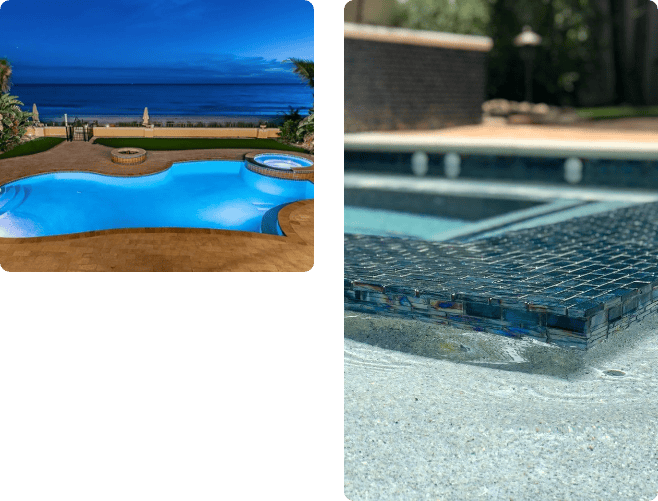
Why Curtis Pools
70+ Years of Experience:
Curtis Pools brings decades of residential pool experience to the design process, helping homeowners avoid layout, circulation, material, and equipment decisions that can create problems later.
Complimentary Design & Planning:
We help evaluate the property, backyard layout, usage goals, and design priorities before moving forward with construction.
Exclusive Free Start-Up Package:
After construction, we help establish proper start-up conditions so the pool begins with a stable foundation for water quality and system performance.
Locally Trusted Across the Region:
Our work throughout Largo and surrounding communities gives us practical insight into Florida weather, lot conditions, outdoor living expectations, and long-term pool ownership.
Waterfront & Structural Specialists:
For properties with drainage, elevation, soil, or water-adjacent concerns, we account for structural and environmental factors during planning.
Unmatched Craftsmanship & Customization:
Every custom pool design is tailored to the home, the yard, and the homeowner’s goals rather than forced into a standard layout.
In-House Team, No Shortcuts:
Design, construction, equipment planning, and finishing details are coordinated together so the finished pool functions as one complete system.
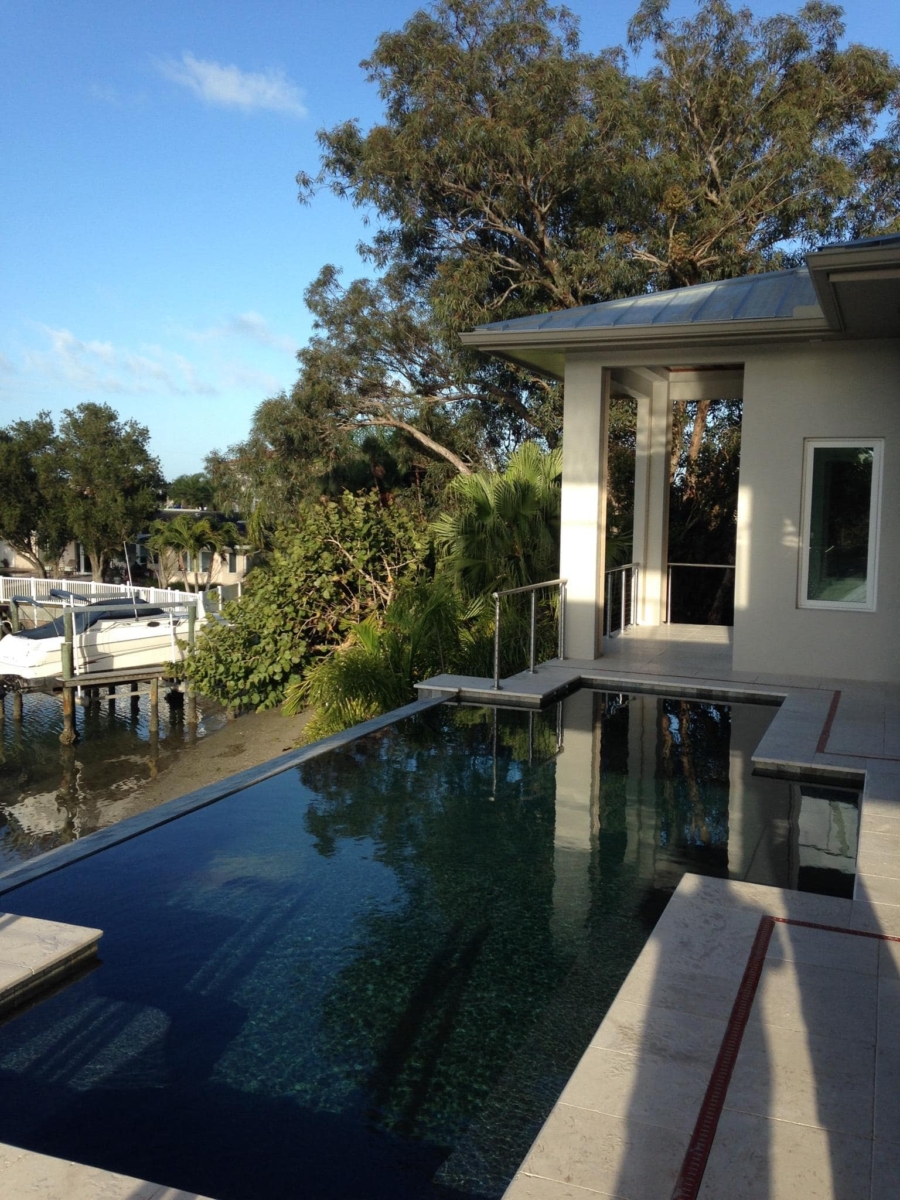
Areas We Serve
Curtis Pools provides custom swimming pool design and related residential pool services across:
Frequently Asked Questions
What should be included in a custom swimming pool design?
A complete custom swimming pool design should include pool shape, size, depth, entry points, seating, deck flow, equipment planning, circulation, lighting, materials, drainage, and how the pool connects to the rest of the outdoor space.
How do I know what pool shape is right for my backyard?
The right shape depends on yard size, home architecture, sun exposure, drainage, intended use, furniture placement, and maintenance expectations. A good design should fit the property rather than simply copy a popular style.
Is a simple pool design still considered custom?
Yes. Custom design means the pool is planned for your property and goals. A clean, simple layout can be fully custom if it is designed around your space, usage, and long-term maintenance needs.
When should equipment be selected during pool design?
Equipment should be considered during the design phase. Pumps, filters, heaters, automation, and lighting all affect how the pool performs, how easy it is to maintain, and how much it costs to operate.
Can custom pool design help reduce maintenance?
Yes. Good circulation, proper equipment placement, durable materials, and thoughtful drainage can all reduce maintenance issues and make the pool easier to care for over time.
How much deck space should be planned around the pool?
Deck space depends on how the area will be used. Seating, dining, walkways, lounge chairs, outdoor kitchens, and access points should all be planned before finalizing the pool footprint.
What is the biggest mistake homeowners make during pool design?
One common mistake is focusing only on the pool’s appearance while overlooking drainage, equipment access, circulation, shade, deck usability, and long-term maintenance.
Can custom swimming pool design include future upgrades?
Yes. A strong design can plan for future automation, heating, lighting, landscaping, outdoor kitchens, spas, or deck expansions so later upgrades are easier to integrate.