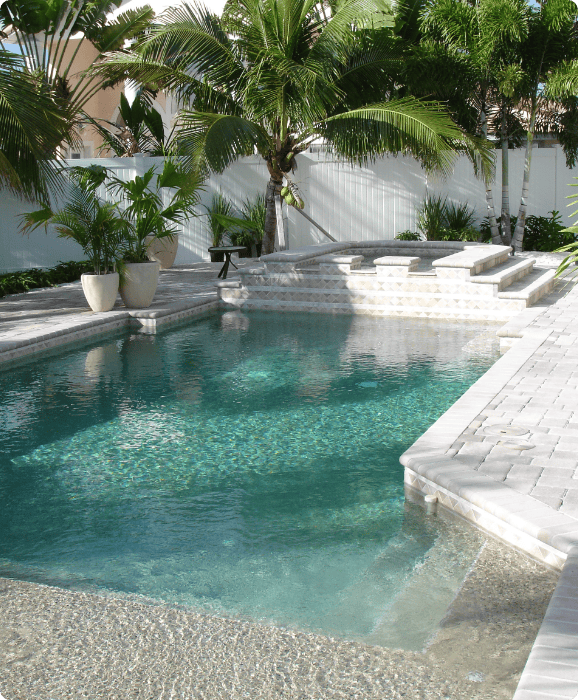
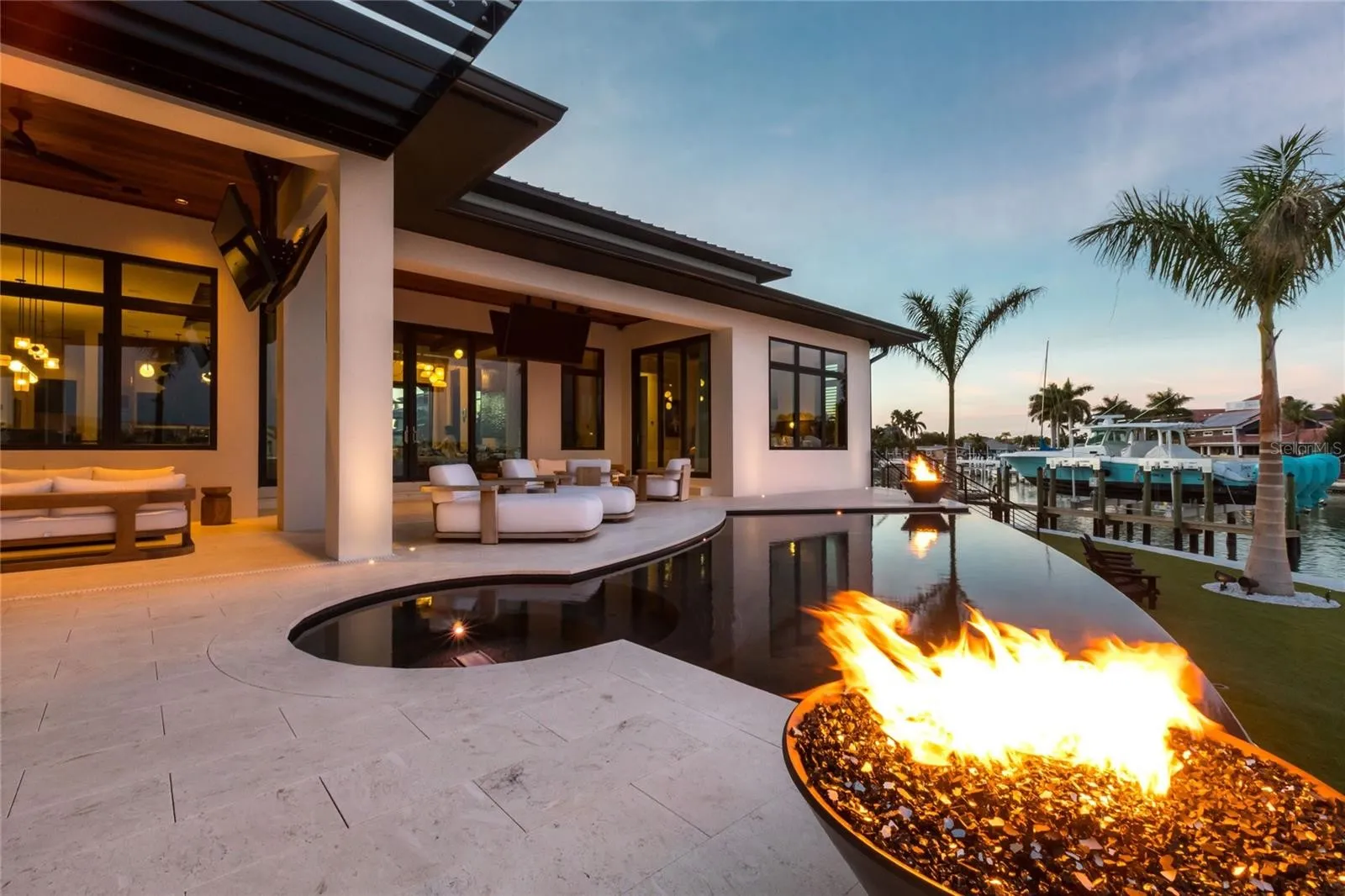
Pool Resurfacing Near Largo | Smooth, Durable Pool Finishes
Restore Rough, Worn Pool Surfaces Across Largo, Pinellas County & Nearby Florida Communities
The surface of your pool does more than define how it looks—it directly impacts how it feels, how easy it is to maintain, and how well the water holds balance. Over time, even well-built pools begin to show wear. Finishes become rough, staining sets in, and the surface that once looked clean and smooth starts working against you instead of for you.
Pool resurfacing is the process of removing that worn interior layer and replacing it with a new finish that restores comfort, improves durability, and helps the pool perform the way it should.
Curtis Pools provides pool resurfacing services for homeowners in Largo and surrounding Florida communities who want a long-term solution—not a temporary patch. Whether your surface is aging naturally or showing signs of premature wear, resurfacing resets the foundation of your pool.
If you’re unsure whether your pool needs resurfacing or a broader upgrade, you can schedule a pool evaluation to review the current condition and available options.
What Pool Resurfacing Actually Fixes
Resurfacing is not just cosmetic. It addresses the layer that interacts with water, chemicals, and swimmers every day.
Common issues resurfacing solves:
- Rough or abrasive surfaces
- Visible staining and discoloration
- Surface etching from chemical imbalance
- Small cracks or surface deterioration
- Loss of visual clarity in the water
If the surface is compromised, the pool becomes harder to maintain and less enjoyable to use.
Signs Your Pool Surface Is Failing
Many homeowners wait until the problem becomes obvious, but there are early indicators that resurfacing is approaching.
Watch for:
- Surface feels rough on feet or hands
- Persistent staining that won’t clean off
- Dull or faded appearance
- Increased chemical demand
- Minor surface cracking or flaking
- Difficulty maintaining clear water
If multiple signs are present, resurfacing is usually more effective than continued maintenance adjustments.
Types of Pool Finishes
Not all resurfacing materials perform the same. Choosing the right finish affects both appearance and longevity.
- Standard Plaster
- Smooth and traditional appearance
- Lower upfront cost
- Shorter lifespan compared to upgraded finishes
- Quartz Finishes
- Improved durability over plaster
- Balanced texture and comfort
- Better resistance to staining
- Pebble Finishes
- Highest durability
- Natural, textured appearance
- Longer lifespan
- More resistant to chemical wear
Selecting the right material depends on budget, usage, and how long you want the surface to last before the next resurfacing cycle.
Surface Texture and Comfort
The feel of the pool surface matters more than most homeowners expect.
A properly finished surface should be:
- Smooth enough for comfort
- Textured enough for traction
- Consistent across the entire pool
- Free of sharp or uneven areas
Older or deteriorating finishes often become abrasive, which reduces how often the pool is actually used. Resurfacing restores that usability.
Water Quality and Surface Interaction
Your pool surface directly impacts water behavior.
A worn or porous surface can:
- Trap algae more easily
- Increase chemical demand
- Reduce water clarity
- Make cleaning more difficult
A new surface helps stabilize water conditions, making the pool easier to maintain with less effort.
If you’re already upgrading your surface, it’s also a good time to consider system improvements like saltwater pool conversion for more consistent water balance.
Preparing the Pool for Resurfacing
Proper preparation is what determines how well the new surface performs.
The process typically includes:
- Draining the pool
- Removing the existing surface layer
- Inspecting the underlying structure
- Addressing any cracks or weak points
- Cleaning and prepping the surface for bonding
If structural issues are found, they are corrected first—often through swimming pool crack repair—before the new finish is applied.
Skipping preparation leads to early failure of the new surface.
Tile and Coping Considerations During Resurfacing
Resurfacing is often done alongside other updates at the waterline and edge.
This may include:
- Replacing or repairing tile
- Updating coping materials
- Addressing calcium buildup
- Improving edge alignment and safety
Upgrades like swimming pool tile repair and swimming pool coping repair ensure the entire pool looks consistent—not just the interior.
How Long Pool Resurfacing Lasts
Lifespan depends on the material and how the pool is maintained.
General expectations:
- Plaster: shorter lifespan
- Quartz: mid-range durability
- Pebble: longest lifespan
Other factors include:
- Water chemistry management
- Frequency of use
- Environmental exposure
- Maintenance routine
A higher-quality finish combined with proper maintenance extends the life of the surface significantly.
Timing Your Resurfacing Project
Waiting too long to resurface can lead to more extensive repairs.
Best timing is when:
- Surface wear is noticeable but not severe
- Minor cracks are present but not expanding
- Maintenance is becoming more difficult
If deterioration progresses too far, resurfacing may need to be combined with broader renovation work.
If you’re unsure where your pool stands, it’s best to get a resurfacing estimate before problems escalate.
Resurfacing as Part of a Larger Upgrade
Many homeowners combine resurfacing with additional improvements.
This may include:
- Layout updates through pool remodeling
- System upgrades like automation
- Lighting enhancements
- Feature additions
Doing everything at once reduces downtime and ensures all components work together.
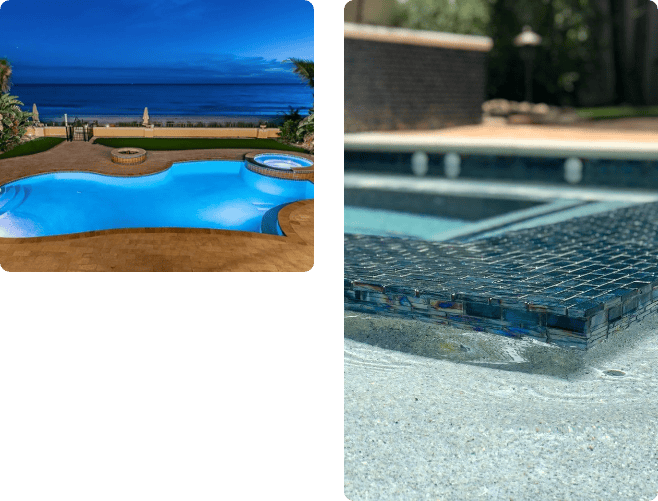
Why Curtis Pools
70+ Years of Experience
We’ve resurfaced pools across a wide range of conditions and materials.
Complimentary Design & Planning
We help you choose the right finish based on how your pool is actually used.
Exclusive Free Start-Up Package
Includes one month of service and Pool Patrol safety features.
Locally Trusted Across the Region
Serving Largo and nearby Florida communities with long-term results.
In-House Team, No Shortcuts
Surface prep and application are handled with precision to ensure durability.
Waterfront & Structural Specialists
We understand how coastal conditions impact surface longevity.
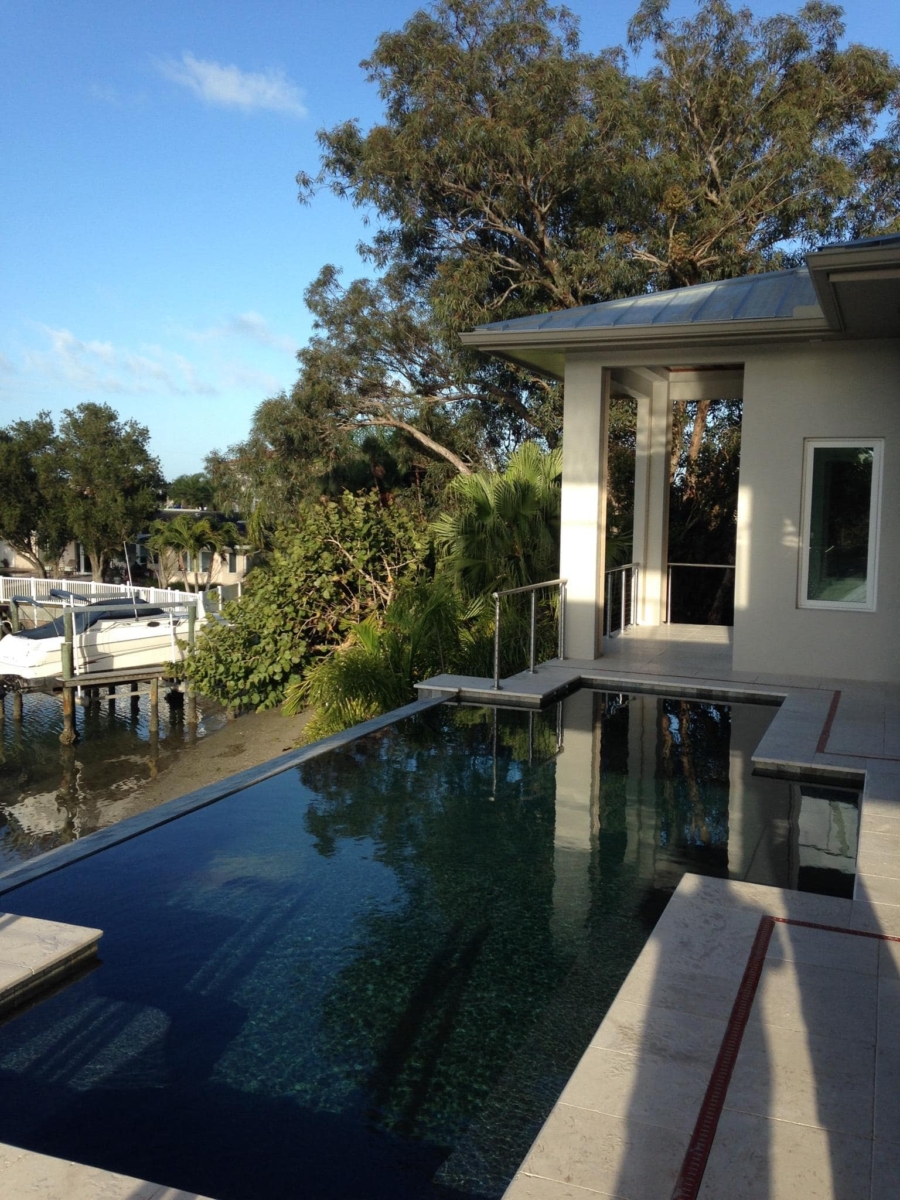
Areas We Serve
Curtis Pools provides pool resurfacing services in:
Frequently Asked Questions – Pool Resurfacing
How often should a pool be resurfaced?
It depends on the material, but most surfaces last several years before needing replacement.
Can resurfacing fix cracks?
Surface cracks can be addressed, but structural cracks require separate repair before resurfacing.
How long does resurfacing take?
Most projects take several days to complete, depending on size and preparation work.
Will resurfacing improve water clarity?
Yes, a new surface reduces buildup and improves overall water appearance.
Is pebble better than plaster?
Pebble is more durable, but the right choice depends on your priorities.
Can I upgrade tile during resurfacing?
Yes, it’s one of the best times to do so.
Does resurfacing change the color of the pool?
Yes, different finishes can significantly alter the appearance of the water.
What happens if I delay resurfacing too long?
The surface can deteriorate further, leading to more extensive and costly repairs.